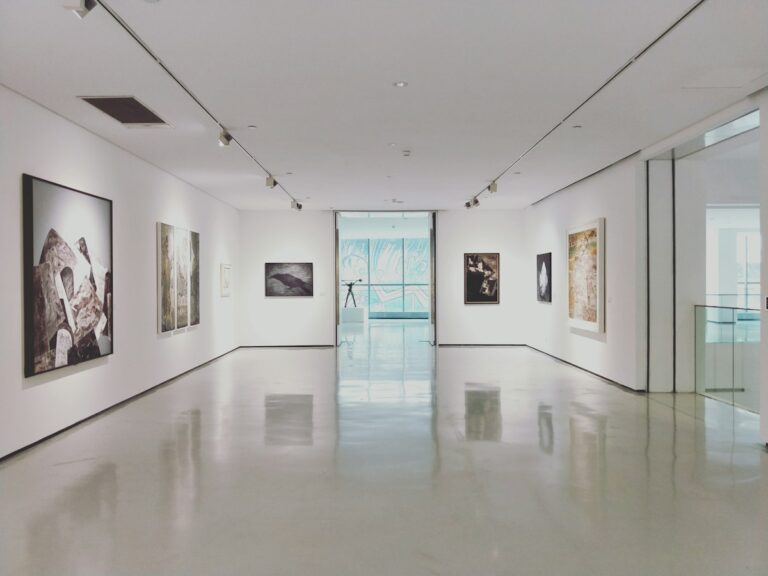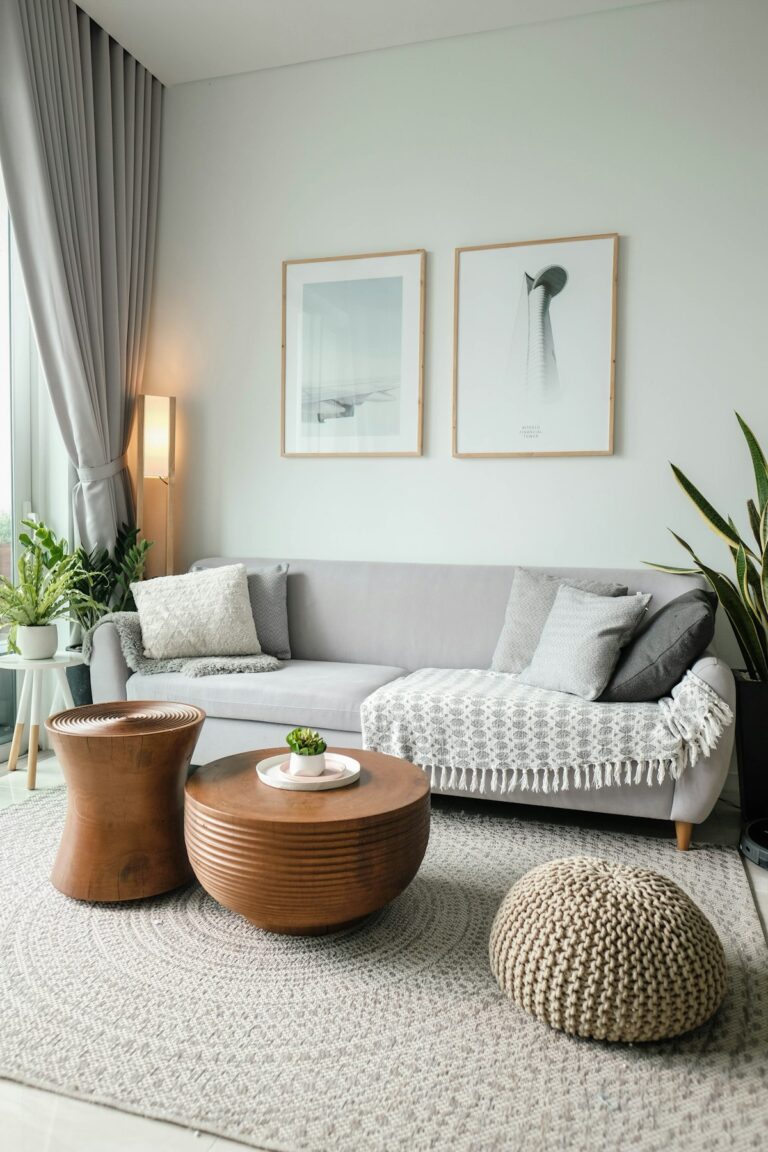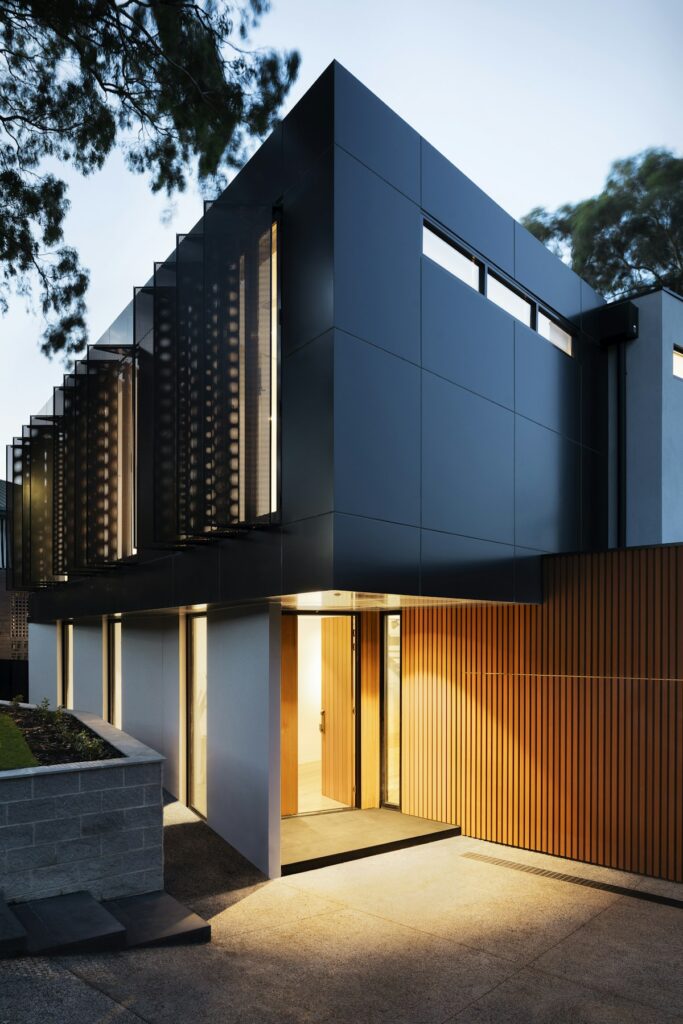
The modern luxury residence has moved decisively past mirror-polished synthetic laminates, sterile high-gloss polyurethanes, and manufactured symmetries. In their place, architectural wabi-sabi offers an enduring interior philosophy centered on textural authenticity, honest materiality, and the quiet dignity of organic age. When executed at an elite architectural level, wabi-sabi is not rustic carelessness; it is rigorous restraint where raw board-formed concrete, hand-hewn reclaimed elm, breathable slaked-lime wash, and natural travertine stones co-exist in exacting harmonic proportions.
1. The Philosophical Principles of Architectural Wabi-Sabi
Rooted in classical Japanese aesthetic theory, wabi-sabi celebrates the beauty found within impermanence, incompleteness, and the unadorned integrity of natural forms. In high-end residential interiors, this translates into surfaces that patina gracefully rather than deteriorate disgracefully. Where synthetic lacquers scratch and lose value, unsealed French oak, honed volcanic basalt, and hand-troweled lime plasters absorb sunlight, air, and human contact, growing richer across decades of daily life.
The contemporary implementation of wabi-sabi avoids nostalgic replication. Instead, world-class architects pair ancient artisanal craft with razor-sharp modern spatial volumes. A monolithic cast-concrete structural column is juxtaposed against a centuries-old hand-planed elm dining slab; an unlacquered brass pivot door hardware set oxidizes naturally against smooth Roman clay walls. Every tactile element tells an authentic story of physical origin, material density, and human touch.
Architectural Philosophy: "Authentic luxury is never measured by flawless factory precision, but by the emotional resonance, tactile warmth, and poetic permanence of honest architectural materials."
2. Material Palette Specifications: Concrete, Timber & Lime
Selecting materials for an architectural wabi-sabi interior requires uncompromising scrutiny of density, tactile friction, and light absorption characteristics. Synthetic imitations—such as printed porcelain claiming to replicate aged oak or vinyl claiming to imitate limestone—collapse the quiet optical gravity of the space. Below are the core material standards specified by leading bespoke architectural studios:
| Material Element | Recommended Specification | Aesthetic Function | Maintenance Protocol |
|---|---|---|---|
| Structural Concrete | Board-formed matte architectural concrete with visible timber grain | Provides spatial anchor, monolithic mass, and cool thermal absorption | Silane-siloxane penetrating sealer (zero surface sheen) |
| Architectural Timber | Centuries-old reclaimed elm or wire-brushed European white oak | Introduces organic warmth, tactile friction, and irregular grain | Cold-pressed botanical hardwax oil with zero polyurethane film |
| Wall Finishes | Hydrated slaked-lime wash or multi-coat Roman clay plaster | Softly diffuses daylight, regulates humidity, and prevents acoustic glare | Spot cleaning with damp cotton; natural periodic lime recoat |
| Flooring Insets | Cross-cut unfilled silver travertine or hand-flamed basalt slabs | Grounds foot traffic with ancient subterranean geology | Breathable non-film penetrating stone sealers only |
3. Spatial Composition and Negative Space (Ma)
In classical Japanese design theory, Ma refers to the conscious composition of negative space—the intentional emptiness that allows objects, light, and inhabitants to breathe. In a wabi-sabi grand salon or primary pavilion, furniture is never packed edge-to-edge. Instead, solitary statement pieces are positioned with generous breathing room, allowing their silhouettes and natural textures to command meditative contemplation.
Consider the relationship between a low-slung, linen-upholstered seating group and an expansive expanse of hand-troweled lime wall. Rather than hanging a cluster of busy decorative artworks, allow a single monumental bronze vessel or a dry-stem ikebana arrangement to cast shifting organic shadows throughout the afternoon. Daylight becomes an active architectural material, dramatizing the microscopic tooth of the plaster and the tactile grain of the reclaimed timber.
4. The Architectural Implementation Checklist
To successfully execute a wabi-sabi interior without veering into sterile coldness or disordered rusticism, adhere to this rigorous architectural checklist:
- Ban Synthetic Sheens: Eliminate all high-gloss acrylic paints, polyurethane varnishes, and chrome plating. Restrict all finishes to matte, honed, eggshell, or naturally oxidized patinas.
- Prioritize Tactile Authenticity: Incorporate hand-loomed raw linen, Belgian wool bouclé, vegetable-tanned leather, and unlacquered forged iron for tactile contact zones.
- Integrate Circadian Lighting: Conceal 2400K–2700K indirect cove luminaires and low-glare plaster architectural downlights to highlight wall textures without visual glare.
- Curate Organic Imperfections: Select stone slabs with natural clefts, timber with preserved knot voids, and hand-thrown ceramic vessels displaying kiln marks.
- Maintain Proportion and Rigor: Ensure structural lines, door reveals, and ceiling shadow gaps remain surgically straight to balance the organic irregularities of the surfaces.
5. Frequently Asked Questions
What is the difference between minimalism and architectural wabi-sabi?
While modern minimalism often emphasizes sterile perfection, crisp factory-smooth surfaces, and industrial materials, architectural wabi-sabi embraces organic warmth, natural aging, and handcrafted irregularities. Minimalism strips away ornament; wabi-sabi infuses the remaining architecture with deep historical and material soul.
How do you clean and protect lime-washed walls in luxury homes?
Slaked-lime wash is naturally alkaline, anti-microbial, and mold-resistant. Clean surfaces gently using a clean microfiber cloth dampened with warm water. Avoid chemical abrasives or acidic solutions. High-moisture areas can be treated with a breathable natural olive oil soap or matte penetrating potassium silicate sealer.
Can wabi-sabi principles be blended with smart home automation?
Yes. Modern wabi-sabi architecture integrates smart technology seamlessly by concealing automated climate sensors, hidden architectural cove lighting, and acoustic speakers flush behind acoustically transparent plaster and matching timber millwork reveals.
Which stone varieties best complement reclaimed elm timber?
Unfilled Roman travertine, honed Portuguese limestone, French Saint-Maximin limestone, and flamed Nero Marquina basalt create exceptional textural and thermal contrasts against the deep organic grain of reclaimed elm.