
Long before metal pocket screws, stamped L-brackets, and toxic chemical adhesives reshaped twentieth-century mass production, traditional Japanese cabinetmakers (sashimono-shi) engineered whisper-tight solid hardwood furnishings and architectural screens held together solely by interlocking wooden geometry. Built historically without a single visible iron nail or brass bolt, authentic Japanese sashimono woodworking celebrates wood as living, breathing fiber rather than rigid dead plastic—creating timeless benches, dining tables, shoji cabinetry, and tea tables that actually tighten gracefully over decades.
Today's architects weave classic Japanese kigumi structural principles alongside quiet contemporary residential modernism—finding seamless overlap between Kyoto craft discipline and Nordic-minimalist quiet luxury. Inspecting classic wedged through-tenon silhouettes, sliding dovetail breadboard cleats, and velvety raw hand-planed wood surfaces shows immediately why hand-joined pieces endure smoothly for generations while brittle flat-pack furniture loosens into noisy scrap inside five winters. Discover artisan craftsmanship traditions inside our Furniture Craftsmanship category hub.
1. Philosophy of Sashimono: Building With Timber Movement, Not Against It
Every natural hardwood tree expands microscopically wider across seasonal humidity spikes while remaining nearly rock-stable axially lengthwise down its vertical grain tubes. Commercial factory tables regularly trap perpendicular wide solid wood boards violently inside rigid glued steel plates or heavy screwed corner rails—so when dry January indoor furnaces pull moisture upward cleanly, constrained wood panels crack wide down the center seamlessly overnight!
Sashimono joiners anticipate cross-grain dimensional shrinkage humbly rather than fighting nature cleanly with metal bolts. By replacing tight mechanical pins with sculpted friction fits, floating unglued frame panels nestled quietly inside deep haunched grooves, and tapered sliding dovetail crossbars (ari-zan) driven sideways under heavy tabletop slabs, seasonal contraction flows imperceptibly safely without stressing timber fibers or parting visual joints apart.
| Classical Japanese Joint (Tsugite / Shiguchi) | Mechanical Function | Ideal Contemporary Furniture Location | Key Aesthetic Signature |
|---|---|---|---|
| Hozo-Tsugi (Wedged Through-Mortise & Tenon) | Structural 90-degree load frame tension lock | Heavy dining leg aprons & console trestle frames | Visible end-grain tenon anchored with contrasting dark walnut wedges |
| Ari-Zan (Tapered Sliding Dovetail Batten) | Stops tabletop cupping while allowing expansion | Wide solid single-slab walnut or hinoki dining tops | Clean stepped chamfered underside cleat gliding tight without glue |
| Kanawa-Tsugi (Keyed Scarf Lengthening Splice) | Unites long structural beams lengthwise | Architectural gallery benches & timber pergolas | Interlocking symmetrical stepped puzzle lock keyed with central pin |
| Tome-Hozo (Blind Mitered Haunched Tenon) | Hides raw end grain inside crisp box corners | Shoji screen frames, vitrine cabinets, bedside boxes | Pure razor-clean continuous hairline corner miters with interior spine lock |
2. Core Anatomy: Kanna Hand Planing vs. Abrasive Machine Sanding
Observe close surface touch across a true master-joined Japanese ash stool compared against factory orbital-sanded millwork: machine abrasive sandpaper grits tear and mash delicate microscopic cellulose wood pores closed into fuzzy pulverized dust packed into the grain—requiring glossy polyurethane sealers afterwards just to restore bright artificial clarity.
Traditional finishers achieve unmistakable satin watery glow exclusively via **kanna** pulling hand planes calibrated down to shaving curls thinner than silk tissue paper (sometimes measured literally under 10 microns!). Razor-sharp Japanese laminated steel kanna blades slice woody vessel cells cleanly crisp open like polished satin glass—shedding gentle water droplets naturally straight off bare closed-pore hinoki cypress or Japanese keyaki zelkova wood completely bare without needing thick sticky plastic varnish coats!
Prized Timber Species in Modern Joinery Studios
- Japanese Hinoki Cypress & Sugi Cedar: Light silky creamy-ivory wood overflowing with calming citrus-forest hinokitiol resin aroma naturally resisting moisture mildew cleanly across bespoke bath stools, dressing drawers, and biophilic bedroom cabinetry.
- Japanese Keyaki (Zelkova) & White Ash (Tamo): Dramatic expressive concentric ring figuring alongside remarkable structural flexural bend toughness ideal for fine delicate spindle-back lounge chairs and floating minimalist cantilevered consoles.
- North American Quarter-Sawn White Oak & Cherry: Readily paired inside contemporary Western residences interpreting sashimono crisp mortises smoothly beside pale travertine stone fireplaces and warm limewash interiors cleanly. Explore broader hardwood guidelines inside our Commissioning Bespoke Furniture guide.
3. Architectural Mortise-and-Tenon Applications in Open-Plan Homes
Modern loft architecture frequently treats freestanding dining chairs, room divider screens, and media credenzas softly as open architectural micro-structures meant to look refined smoothly from 360-degree walking circulation angles—eliminating ugly staple-gun backs or crude corner L-brackets forever.
- Exposed Wedged Trestle Dining Tables: Framing monumental twelve-foot solid oak dining surfaces over carved chamfered sashimono trestle legs locked solidly by twin hammered contrasting ebony wedges turns every table end elevation into kinetic engineering craft sculpture—completely solid zero-wobble forever yet knock-down disassembleable cleanly inside compact apartment elevators cleanly decades later!
- Floating Lattice Room Dividers (Kumiko & Shoji Screens): Delicate basswood or hinoki geometric grid joinery notched accurately cleanly via friction fit breaks expansive open studios gently into hushed tea alcoves or meditative studies without stealing luminous natural south window light across floors.
- Dry-Fitted Solid Hardwood Credenzas & Sliding Tambour Tracks: Replacing squeaky steel ball-bearing drawer glides cleanly inside minimalist living storage chests with silky hand-waxed maple bottom slide runners gliding silently over beeswax-burnished beech grooves brings quiet meditative tactile calm straight to fingertip touch every morning.
4. Kumiko Latticework, Brass Inlays & Architectural Wall Panels
Beyond load-bearing chair frames, Japanese woodworking techniques elevate contemporary wall millwork panels, illuminated shoji light diffusers, and tranquil primary bedroom headboard backdrops effortlessly. Fine thin kumiko cedar ribs notched accurately to crisp 30-degree or 45-degree geometry lock strictly purely through mechanical pressure without liquid glue smears—letting warm 2700K indirect LED backlight panels radiate soothing shadow filigree safely across serene hallways and calming tea lounges.
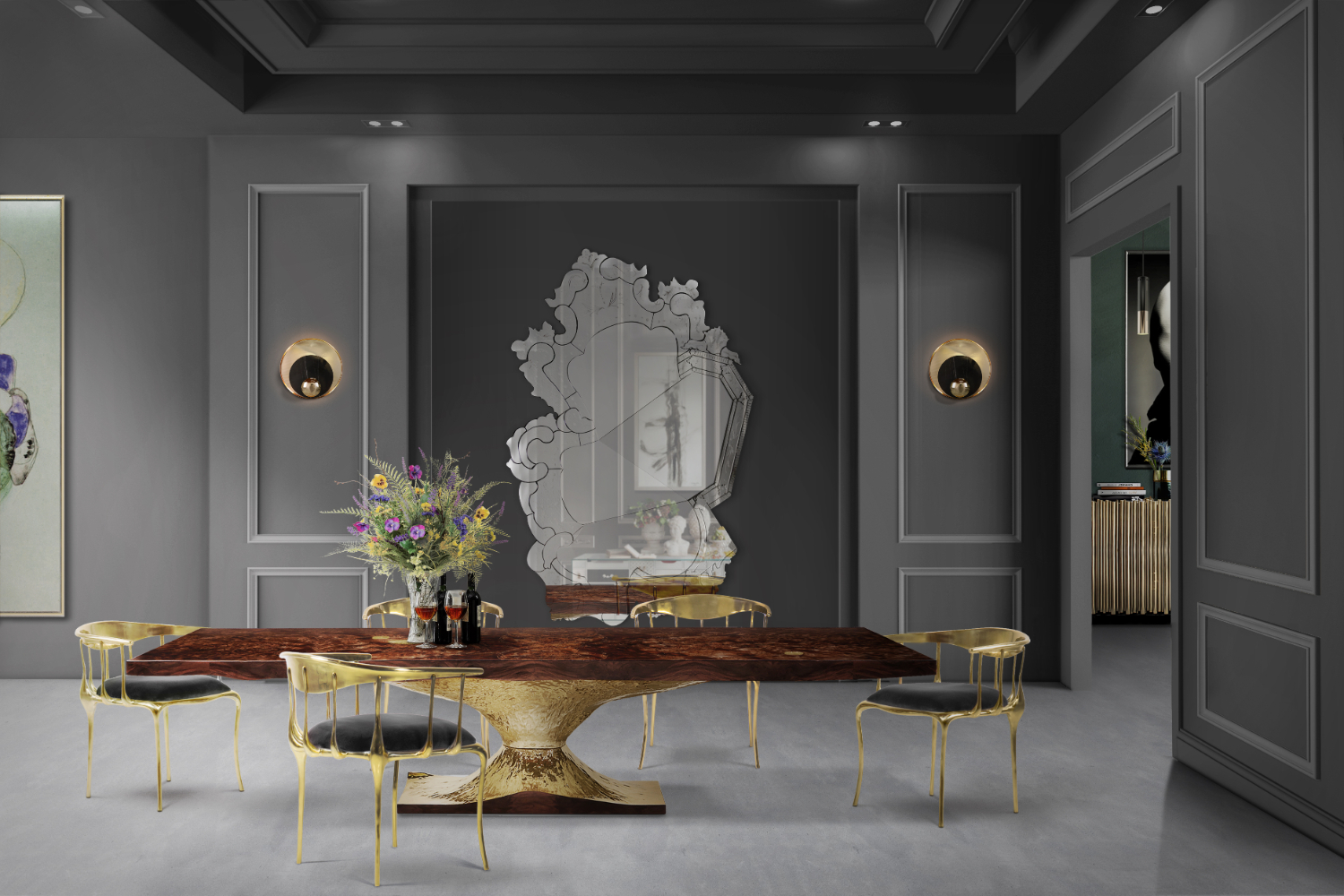
Contemporary interior studios often pair classic mortise carpentry carefully alongside discrete tactile Western brass inlays or patinated smoked bronze pulls—grounding crisp Nordic architectural plaster elevations peacefully beside quiet earthy Kyoto texture without feeling like staged themed restaurants! See seamless interior integration techniques cleanly inside our Architectural Millwork & Fluting guide.
5. Finishes That Respect Raw Wood Fiber: Soap, Raw Tung & Rice Wax
Encasing meticulously hand-planed sashimono chairs underneath slick sprayed automotive acrylic plastic insults every hour spent slicing porous wood fibers cleanly open. Authentic finishes preserve warm breathable woody matte sensation straight onto bare hand palms cleanly while guarding lightly against everyday espresso drips:
- Danish White Wood Soap Wash: Whipped natural vegetable soap flakes rubbed soothingly directly into bare European ash, hinoki, or pale white oak fibers keep pale wood dazzlingly matte bleached ivory-beige—resisting stubborn grease smudges cleanly via gentle milky saponified pores that refresh seamlessly indoors every spring.
- Polymerized Pure Tung & Cold-Pressed Beeswax Paste: Nourishes rich warm walnut, chestnut, and smoked zelkova furniture planks deeply internally to soft dead-flat luster completely zero-VOC without glossy reflection rings—improving softly year after year strictly through periodic quiet cloth rubbing. Check clean finish maintenance insights inside our Bespoke vs. Mass Luxury Furniture analysis.
6. Repairability, Knock-Down Versatility & Generational Value
Mass-market bonded veneered particleboard dining tables die permanently the very first moving day stripped steel cam screws crumble flaky wood chip cores cleanly onto movers' blankets. Conversely, finely crafted traditional sashimono furniture built out of honest mortise-and-tenon joints secured softly by hand-tapped removable oak wedges disassembles neatly flat smoothly inside minutes with one calm wooden mallet tap, clears narrow European staircases completely intact, and tightens cleanly homeward tighter again over century cycles—carrying documented artisan provenance worth preserving carefully across entire lifetimes. Review complementary architectural proportions inside our Quiet Luxury Interior Architecture guide and sculptural seating arrangements in our Sculptural Dining Tables guide.
Frequently Asked Questions
Does nail-free traditional Japanese wood joinery actually stay tight and wobble-free forever?
When cut accurately using dry seasonal FAS-grade hardwood and anchored thoughtfully with wedged drawbore pins or sliding dovetails, interlocking mortise-and-tenon furniture actually grips tighter across decades than modern machine metal screws—which silently crush soft wood pores wider cleanly under repetitive rocking shear loads until legs loosen dangerously.
Can authentic Japanese-inspired sashimono dining tables survive humid kitchens cleanly without plastic seals?
Yes—treats such as natural polymerized raw tung oil, zero-VOC plant-based matte hardwax blends, or natural beeswax pastes seal microscopic open grain capillaries smoothly from inside out against clear liquids while wiping comfortably dry with simple damp microfiber towels cleanly after daily family meals.
How do sliding wood drawers stay whisper-smooth without commercial metal roller slides?
True cabinetmakers build dedicated tight bottom hardwood runner rails polished meticulously silky via fine kanna planes and dusted discreetly yearly using natural dry candle-paraffin or beeswax bars—producing tranquil whisper-quiet wood-on-wood friction free of noisy metal rattling tracks wearing out.
Why should modern minimalist interiors blend Japanese wood joinery alongside pale European stone?
Combining velvety organic limestone plaster walls and rough travertine slabs alongside razor-crisp honest hand-joined timber creates serene tactile human balance—preventing cold geometric minimalist architecture from turning austere or lifeless.
Looking to explore calm organic bedroom woodworking designs too? Explore our Biophilic Primary Bedroom guide, read about our curation team on About Luxury Decor Hub, or contact us via Contact Us.


