Architectural plumbing trim acts like jewelry against carved marble and warm oak bathroom millwork—touching wet palms daily while dictating whether a primary bath matures softly into heirloom patina or degrades rapidly into flaky peeled chrome within five seasons. Deciding carefully between living unlacquered brushed brass, PVD-coated satin brass, oil-rubbed bronze, and true solid brushed nickel involves balancing foundry metallurgy, household water hardness, aesthetic patina expectations, and ceramic valve cartridge longevity.
Before locking expensive concealed thermostatic rough-in bodies securely behind bookmatched stone walls, understand exactly how different brass alloys, plating technologies, and brushed satin finishes age under warm shower steam and coastal ocean salinity. Browse integrated wet-zone material standards inside our Luxury Bathroom Design category collection.
1. Solid Forged Brass Substrate vs. Die-Cast Zinc Builders Hardware
Outward visible sheen never reveals core metal integrity until leaky valves freeze up inside tiled plaster shafts six years post-renovation. Bargain showroom fixtures routinely inject thin cheap die-cast zinc-alloy ("Zamak") shells glazed in flash-thin electroplated gold spray paint—materials that pit swiftly underneath high-humidity alkaline soaps and snap internally when mineralized aerators twist off.
Every enduring luxury European and American plumbing maker machines spouts, heavy cross-handles, and concealed mixing valves cleanly out of solid DZR (dezincification-resistant) lead-free forged yellow or red architectural brass ingots. Heavy solid cast brass weighs substantially cleanly in hand, accepts deep crisp machinist knurling without flaking sharp burrs, and resists aggressive mineral water corrosion across generations smoothly inside concealed wall cavities.
| Architectural Finish Type | Surface Chemistry | Patina & Water-Spot Behavior | Best Bathroom Aesthetic Match |
|---|---|---|---|
| Living Unlacquered Brass | Bare hand-brushed solid forged brass | Oxidizes smoothly into deep antique olive-bronze & warm honey tones | Limestone, Calacatta Viola, tadelakt plaster, warm European oak |
| PVD Satin Brushed Brass | Vacuum vapor-bonded titanium nitride shield | Zero patina change; impervious to salt air, bleach wipe, & wet hand oils | Busy family guest suites & oceanfront villas needing locked gold hue |
| True Brushed Nickel (Electroplated) | Solid nickel layer over solid brass core | Subtle creamy silver-champagne luster; deepens gently without cold glare | Pietra Grey marble, classic inset painted millwork, cool pewter mirrors |
| PVD Matte Black / Gunmetal | Molecularly fused dark ceramic/carbide coat | Resists UV fade & hard-water chalk better than powder-coated black paint | Sharp graphic architectural wet rooms alongside raw travertine |
2. How Living Unlacquered Brass Actually Ages Over Twelve Months
Unlacquered brass represents one of residential design's sharpest litmus tests between authentic natural-material enthusiasts and perfectionist showroom neatness seekers. Left completely naked without clear acrylic polymer lacquer coatings, solid spun copper-zinc alloy reacts organically immediately with ambient bath humidity, skin moisture, oxygen, and gentle everyday hand soaps.
Within days of wet sink splashing, pale golden polished or satin hand-brushed brass softens away from sharp bright yellow jewelry shine—mottling warmly around cross-handle touch points into burnished amber chestnut where dry fingertips polish surfaces naturally while sheltered crevices settle quietly toward smoky umber bronze. Because zero synthetic film wraps exterior metal, scratched handles never suffer jagged clearcoat peeling—you can simply let organic living history accumulate peacefully or gently buff localized bright gold shine back in two minutes using ultra-fine micro-abrasive mineral brass polish whenever desired.
Mitigating Mineral Chalk Spots on Unlacquered Brass
- Soft Neutral Rinse Discipline: Never spray acidic lime-scale removers, foaming citrus cleaners, or chlorine toilet bleach near raw brass bases; acid strips rich brown oxidized patina cleanly straight back into jarring blotchy salmon-pink raw copper stains immediately! Wipe droplets gently clean with damp soft cotton cloths after brushing.
- Hard Water Softening Systems: Residences fed via calcium-heavy municipal wells benefit substantially from dedicated whole-house catalytic water softeners or fine ion-exchange tanks—preventing pale white calcified water crust from baking into living bronze patina around spout lips.
3. Why Brushed Nickel Offers Subtle Warmth Over Mirror Chrome
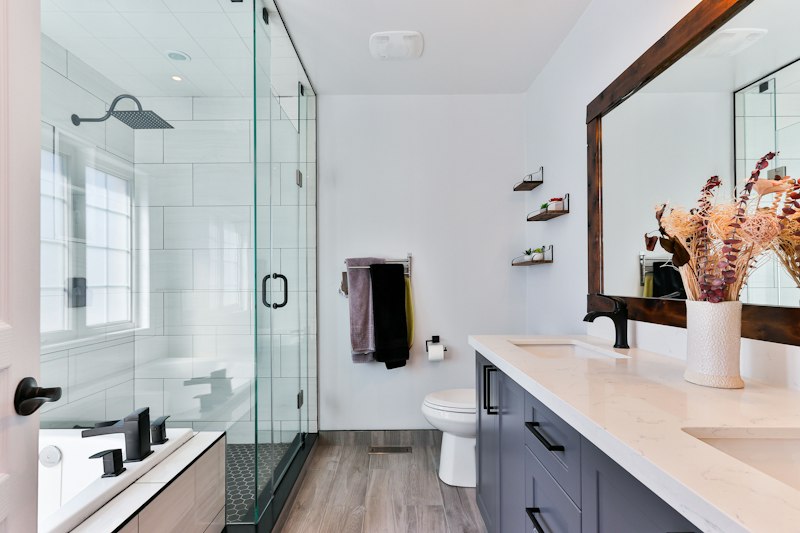
Mirror-polished bright chrome stays remarkably rugged and mirror-reflective across decades, yet carries a distinctly cold icy blue-steel cast that visually fights earthy beige Roman travertine, limewashed ceilings, and warm rift-sawn white oak millwork. True electroplated Brushed Satin Nickel shifts the metallic balance delicately downward into warm, liquid taupe-champagne silver.
Under calm 2700K incandescent or architectural LED wall sconces, finely directionally brushed nickel diffuses bright specular hotspots smoothly along hairline grain strokes without harsh reflection glare, tying seamlessly beside pewter mirror moldings, linen window pulls, and smoky white-gray veined Carrara and Bardiglio marble surfaces. Verify carefully that suppliers offer genuine solid nickel electroplating—rather than cheap silvery lacquer tint sprayed onto chrome—checking manufacturer warranty salt-spray durability certs before signing plumbing orders.
4. Rough-In Valve Universal Bodies: Concealed Thermostatic Integrity
Gorgeous outer lever handles mean very little if faulty internal pressure balancing scalds occupants suddenly whenever nearby laundry cycles open cold lines—or if dripping brass stem seals start pouring water straight down behind bookmatched Calacatta shower slabs. True longevity hides quietly inside heavy bronze wall rough-in bodies installed during bare carpentry framing.
- Universal Brass Cartridge Chassis Systems: Choose heritage plumbing houses built on standardized modular concealed in-wall brass rough boxes (allowing simple trim updates decades ahead without chiseling marble slabs off tiled walls!). Confirm European or ASME-rated ceramic disc quarter-turn stems paired with solid paraffin thermostatic anti-scald wax elements rather than cheap rubber flat washers.
- Separate Volume & Temperature Control: Inside spacious dual-user wet rooms, avoid cramped single dial levers juggling flow and heat simultaneously cleanly with one handle. Install dedicated twin thermostatic cross-valves adjusting crisp 102°F water heat independently from full-flow directional diverters driving overhead rain heads, recessed body sprays, or flexible hand wands silently.
- Integral In-Wall Isolation Stops: Insist plumbers select rough-in assemblies engineered cleanly with integrated brass shutoff screwdriver stops directly behind finished decorative escutcheon plates—letting mechanics isolate single sinks or dripping shower mixers swiftly within five minutes without shutting off drinking water cleanly across the whole floor level. Check integrated wall-mount spout alignments clearly in our Spa Master Bathroom guide.
5. Mixing Architectural Metal Finishes Without Aesthetic Chaos
Restricting an entire primary bathroom slavishly to identical single-vendor stamped gold hardware from shower hinges straight through door deadbolts and toilet flush buttons often leaves lavish spaces feeling artificially sterile and overly orchestrated—particularly when glossy shower clamps fail to oxidize evenly right alongside aging sink faucets.
Architectural studios achieve soulful harmony gracefully by grouping fixtures safely inside a calm **two-metal discipline**: pair authentic living unlacquered brushed brass plumbing valves, spout trims, and drawer pulls confidently against crisp brushed pewter, dark oil-rubbed architectural bronze, or whisper-matte blackened steel shower frames, towel ladders, and window mullions. Notice the unbreakable proportion rule: repeat each secondary metal cleanly across at least three balanced architectural touchpoints so accents never look accidental—and match wall sconce finishes thoughtfully inside adjoining dressing zones via our Lighting Architecture hub.
6. Matching Exposed Drain Traps, Hinges & Towel Bars to Custom Trim
Nothing punctures tailored marble refinement more painfully than fitting exquisite unlacquered European wall faucets above bespoke stone console sinks—only to discover bright shiny silver-chrome standard PVC sink traps dangling visibly underneath floating stone consoles alongside mismatched brushed brass toilet levers and standard nickel shower hinges!
- Order Every Hidden Wet Trim Early Together: Batch custom solid-brass P-traps, braided woven stainless or matching solid copper rigid supply angle stops, linear shower trench drain grates, flush toilet tank actuation buttons, and continuous frameless glass hinge channels smoothly onto one single vendor purchase schedule at framing stage—guaranteeing consistent raw alloy batches cleanly across adjacent makers.
- Heated Hydronic Towel Warmers: Swap flaky electric chrome plug cords cleanly for hardwired concealed wall-mounted low-voltage PVD satin brass or blackened bronze minimalist ladder tubes heated serenely dry year-round—drying dense Belgian linen sheets rapidly cleanly while dropping spa ambient mildew moisture significantly. Explore soaking tub valve integration rules cleanly inside our Freestanding Stone Tubs guide.
7. Maintenance Schedules Across Patina-Living & Plated Metals
Keeping architectural finishes immaculate over ten to thirty years requires less heavy elbow grease than simple chemical exclusion. Strip bleach gels, abrasive scouring powders, ammonia mirror mists, and rough scrub sponges completely out of daily stone-and-metal bath baskets.
Clean solid satin brushed nickel cleanly strictly using warm clear soapy neutral pH mist wiped lengthwise smoothly following fine factory brush grain strokes, followed softly by dry lint-free cotton buffing cloths to block stubborn lime spotting around handles. For living unlacquered brass, apply fine coats of microcrystalline museum paste wax softly annually once desired dark warm bronze character sets in comfortably, preserving tactile luster gracefully beside natural honed marble inside tranquil wet suites reviewed across our Steam Showers & Wet Rooms guide.
Frequently Asked Questions
Will unlacquered brass faucets turn green or rust in humid primary bathrooms?
Authentic solid copper-zinc brass never rusts like iron steel. In standard clean ventilated bathrooms it deepens gracefully into rich warm chocolate-amber honey tones over 6 to 18 months. Vivid green verdigris develops primarily solely indoors if harsh alkaline soaps or standing damp salt puddles stagnate continuously untreated around wet countertop bases without gentle towel wiping.
How close in color are brushed nickel and satin chrome or stainless steel bathroom fixtures?
Brushed stainless steel leans crisp bright neutral gray-silver, satin chrome displays cooler pale frosted blue highlights, whereas genuine electroplated brushed nickel reflects unmistakably warmer soft beige-champagne undertones that soften white marble and pair warmly beside white oak vanities.
Can I mix matte black shower hinges cleanly alongside unlacquered brass sink faucets?
Yes—mixing dark architectural oil-rubbed bronze or low-sheen matte charcoal metal framing around glass wet zones cleanly beside warm living brass sink trim grounds spacious modern bathrooms effortlessly without straining to color-match anodized aluminum shower extrusions against real bare brass pipes.
Why does my PVD satin brass fixture look identically uniform compared to solid bare brass?
PVD coatings vapor-lock exact alloy shade onto solid brass bases beneath a tough transparent ceramic-titanium shield, freezing satin luster indefinitely against fingerprints and damp soap acids—ideal when homeowners prefer bright steady satin gold rather than darker weathered heirloom bronze patinas.
Looking to harmonize natural wood textures and stone cabinetry across bedrooms and adjoining bath suites? Explore our Interior Design hub, read about our curation process at About Luxury Decor Hub, or contact us via Contact Us.