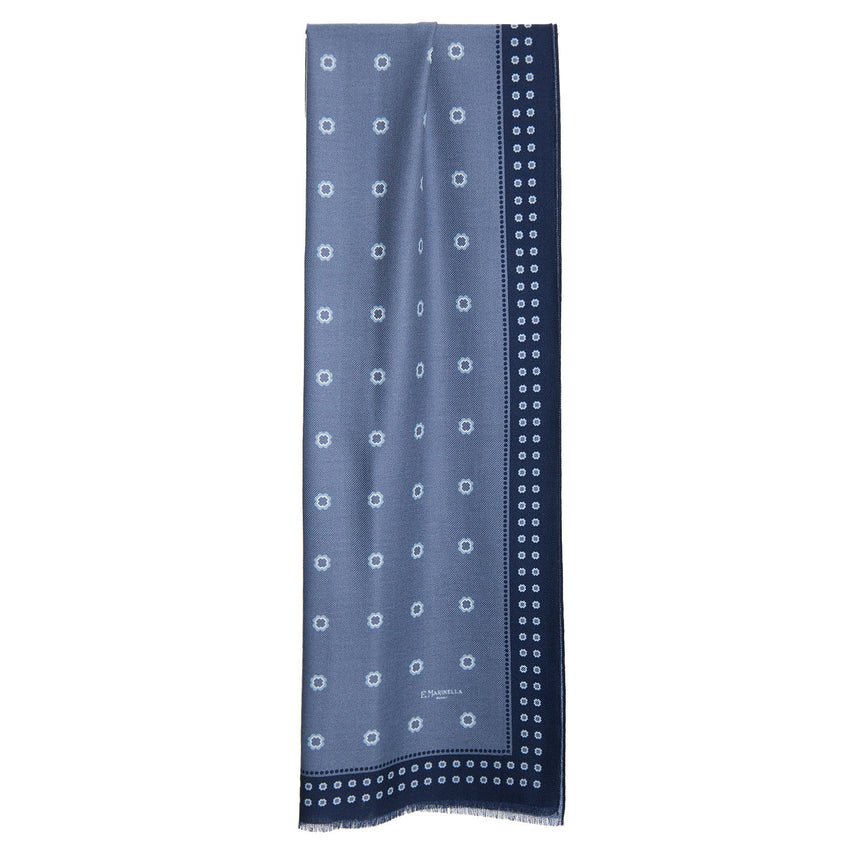
How to Decorate with Silk and Cashmere Home Textiles
Silk and cashmere transform a room through touch and light rather than volume — a single cashmere throw, a pair of silk pillowcases, or floor-length silk drapes can do more than an entire overhaul. The most successful approach treats them as luxury accents layered over sturdy, low-maintenance foundations: let cotton, linen, and wool carry the daily wear, then place silk and cashmere exactly where you sit, sleep, and rest your eyes. This guide covers fiber selection, room-by-room placement, color strategy, care, and the mistakes that make expensive textiles look cheap.
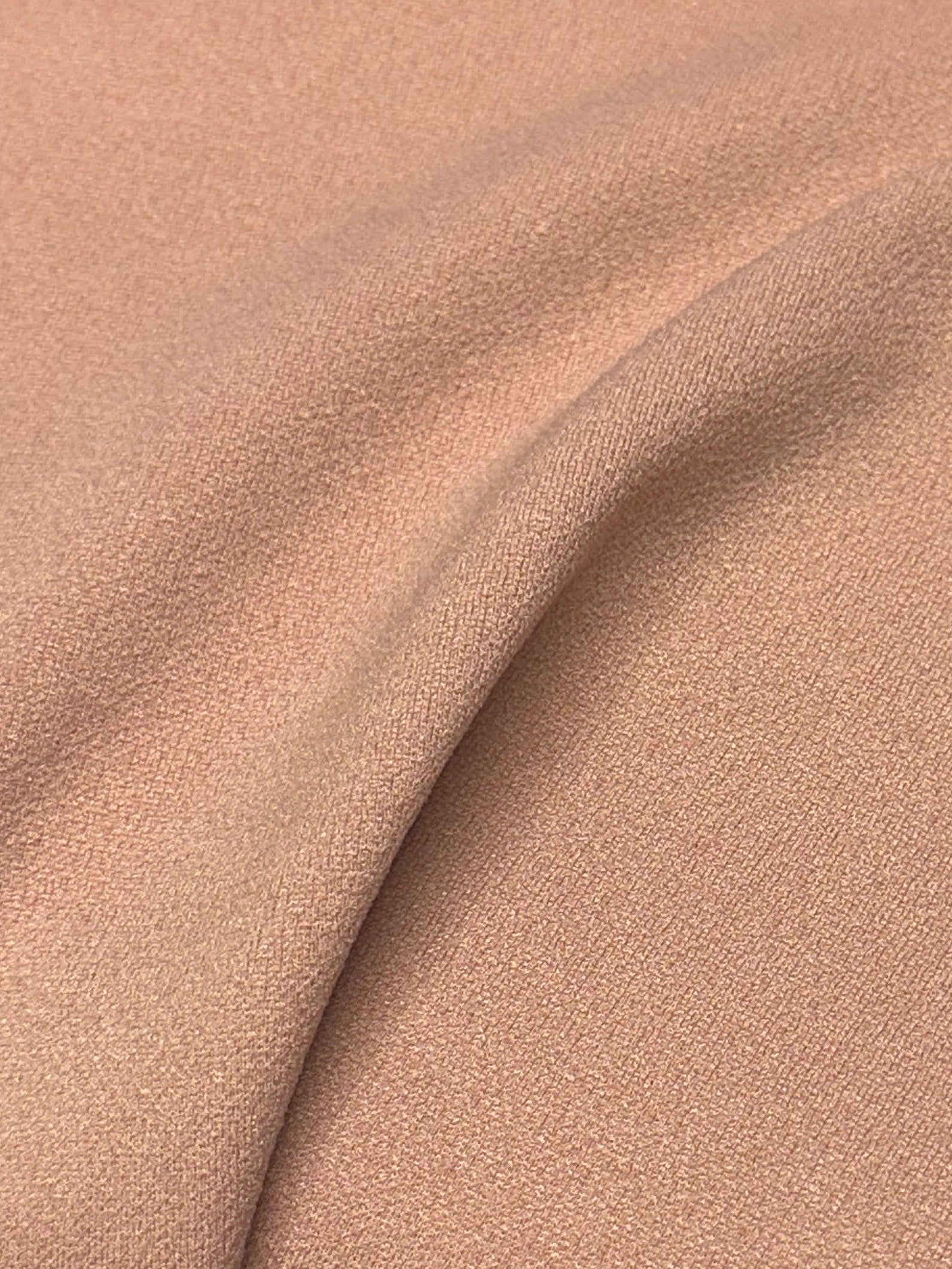
Why These Two Fibers Change a Room
Silk is a protein filament produced by the mulberry silkworm. Because it is extruded as one continuous strand, silk can be woven into a surface with almost no protruding fiber ends — which is why it feels cool, slides easily, and reflects light in a way cotton and linen never do. Cashmere is the fine down undercoat of cashmere goats, and each animal produces only a small amount of usable fiber per year. That scarcity, combined with fibers that are finer and softer than most sheep’s wool, explains both the price and the characteristic softness.
<p