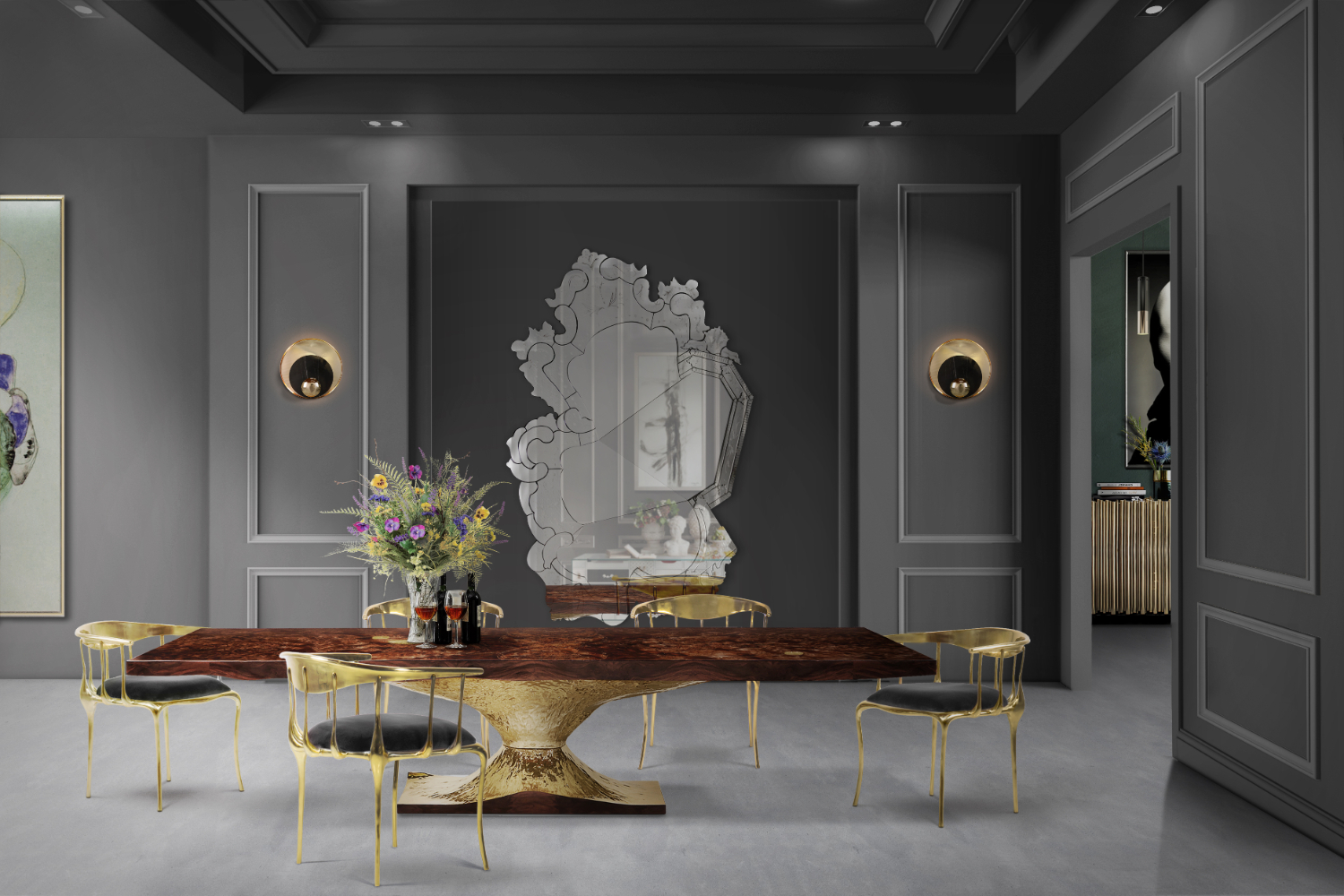
The Art of Bespoke Furniture: Why Custom Pieces Define Luxury
Bespoke furniture defines luxury because it is designed for one specific person, place, and purpose rather than selected from a catalog. A bespoke piece begins with your measurements, your habits, and your materials — and ends as an object no one else owns. That singularity, more than any label or price tag, is what separates genuine luxury from expensive convenience.
Mass production solved a real problem: it made well-built furniture affordable for millions of households. But it did so by standardizing everything — the 600mm cabinet depth, the 2,000mm door height, the drawer that fits a machine’s tolerance rather than a human hand. Bespoke work reverses that trade-off. It accepts higher cost and longer lead times in exchange for fit, authorship, and longevity that standardized furniture cannot deliver.

What “Bespoke” Actually Means
The word comes from Savile Row tailoring. Cloth was said to be “bespoke” when it had already been spoken for — reserved for a named client before a single cut was made. Furniture inherited the term, and it carries the same implication: the object exists because a specific person commissioned it.
True bespoke work typically involves:
- A blank-page design. Nothing is adapted from an existing model or catalog frame.
- Millimeter-level dimensions. The piece is drawn to fit your architecture, including out-of-square walls and uneven floors.
- Meaningful choice at every layer. Species, grain direction, hardware, joinery, finish, and edge detail are all specified.
- One-of-one output. The drawings are not reused, and the piece is not reproduced.
- Consultation. You discuss the room, how you live in it, what you have owned before, and what has frustrated you about it. Good makers ask more questions than they answer at this stage.
- Site survey. The maker measures the space and notes what a tape measure alone cannot show — light direction, traffic patterns, existing materials to match, and the structural quirks that will shape the design.
- Design and drawings. You receive scale drawings or a 3D model showing dimensions, materials, and construction details. This is the point to challenge anything you are unsure about.
- Material selection. You approve specific boards or hides, along with finish samples viewed under the light of the actual room.
- Deposit and build slot. A deposit reserves your place in the workshop schedule, which is why lead times are measured in months rather than days.
- Construction and updates. You receive progress photographs at key stages, including before the finish is applied.
- Delivery and installation. The piece is fitted on site, adjusted, and finished in place, with care instructions handed over.
- Can I see the drawings before I commit? If not, walk away.
- Which parts are made by hand, and which are machined or outsourced?
- What joinery will be used at the corners, the drawers, and the moving parts?
- How is the finish applied, and how do I maintain it?
- What happens if the piece needs repair in five or ten years?
- Can I speak to a past client with a similar project?

Bespoke vs. Custom vs. Made-to-Order: A Clear Comparison
These terms are used interchangeably in marketing, which confuses buyers. The distinction matters because it determines how much control you actually have — and what you should expect to pay.
| Category | Who controls the design | Dimensions | Materials | Typical lead time |
|---|---|---|---|---|
| Ready-made (off-the-shelf) | Manufacturer | Fixed, standardized | Catalog range | Immediate to days |
| Made-to-order | Manufacturer | Limited size and finish options | Catalog with upgrades | Weeks |
| Custom | You and a designer, modifying a known design | Altered within limits | Broader, specification-driven | Several weeks to months |
| Bespoke | You and the maker, starting from nothing | Drawn to the millimeter | Anything obtainable or makeable | Months |
The practical test is simple: if the maker could sell your piece to someone else without changing a single dimension, it probably isn’t bespoke.

Why Custom Pieces Define Luxury
Luxury has shifted. The most discerning buyers now look for provenance over logos, and for objects whose value is legible to the people who know — not to everyone who walks past. Bespoke furniture sits precisely at that intersection.

Fit that no standard size can deliver
Old buildings are never square. Ceilings slope, alcoves are irregular, and radiators interrupt walls. Standard furniture either leaves awkward gaps or requires filler panels that announce themselves.
A bespoke piece absorbs those irregularities into the design. A wardrobe can be scribed to a bowed wall so the reveal stays even from floor to ceiling. A desk can be built to the height of the chair you actually sit in, not the average of a thousand sitters. A bookcase can wrap a chimney breast and turn an awkward corner into the most deliberate detail in the room. The fit is not a compromise dressed up as a feature; it is the reason the piece exists.
Materials chosen for the piece, not for the catalog
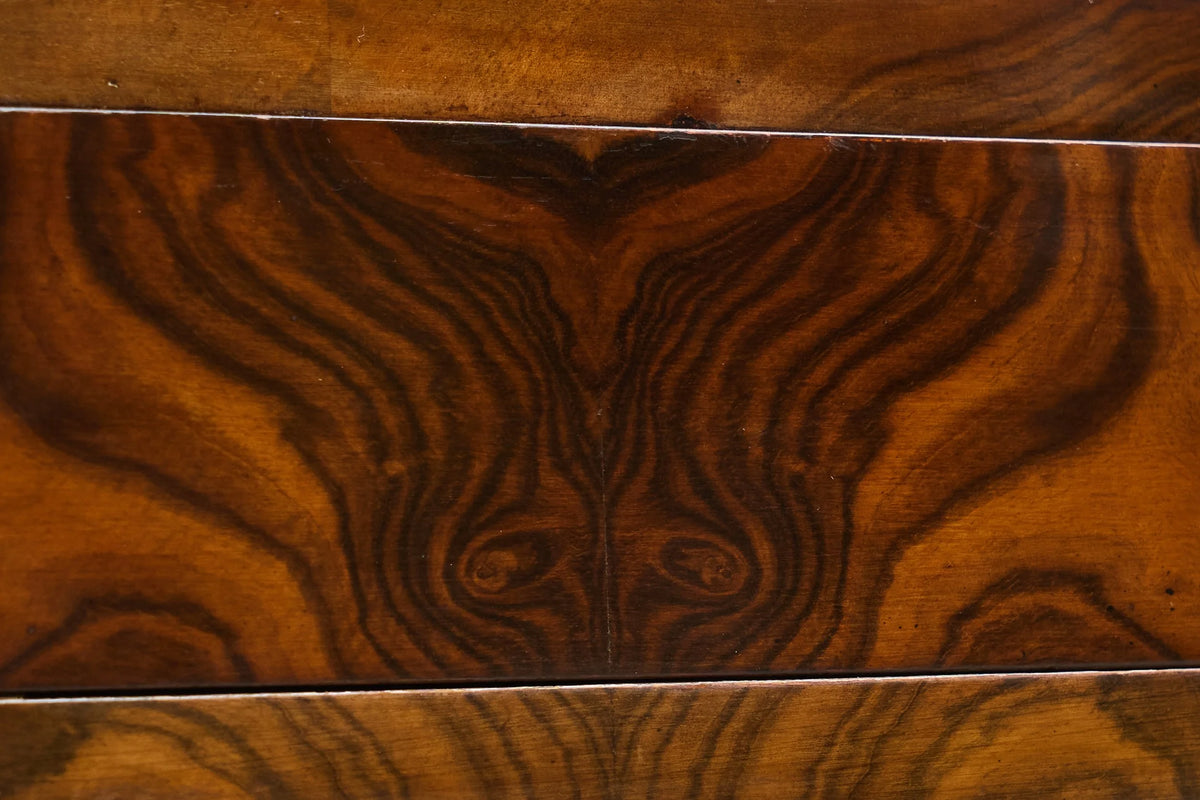
Production furniture is limited to the species, thicknesses, and finishes that can be bought in volume. Bespoke work is limited only by what can be sourced. A maker can match the oak floorboards in a hallway, book-match veneer across a set of doors so the grain runs continuously, or select a single walnut board for the top of a console and build the entire piece around that one plank. When a material is chosen for a specific place and purpose, the result reads differently — not louder, but more resolved.
Craftsmanship you can inspect
There is a meaningful difference between a joint that is glued and stapled and a joint that is cut, fitted, and pinned by hand. You can see it in the details: the tightness of a dovetail, the way a drawer runs on wooden runners, the pick of a hand-planed edge against a factory-sanded one. Bespoke furniture is built to survive inspection, because the person inspecting it knows exactly who made it. That accountability is a form of quality control no production line can replicate.
Designed to be repaired, not replaced
Mass-produced furniture is often assembled with adhesives and proprietary fasteners that make disassembly destructive. Bespoke furniture is usually built so that it can be taken apart, tightened, refinished, and repaired. A scratch can be sanded out and re-oiled. A worn leather panel can be replaced without rebuilding the frame. A hinge can be upgraded decades later. This is what longevity actually means in practice: not that the piece never changes, but that it is worth changing.
What the Commissioning Process Looks Like
A well-run bespoke commission follows a predictable arc, even though the outcome is unique.
Expect the process to take at least two or three conversations before anything is cut. That slowness is deliberate, and it is the least expensive part of the project to get right.
Questions Worth Asking a Maker
The answers will tell you more than any showroom will.
Is Bespoke Worth It?
Bespoke is not the right answer for every piece of furniture. Bedside tables, guest room beds, and anything likely to be replaced within a decade are usually better served by well-made production furniture. Bespoke earns its cost in three situations: when the space is irregular, when the piece will be used daily for decades, and when the object carries meaning beyond its function.
Judged purely on price per unit, bespoke will always lose. Judged on cost per year of ownership, on fit, and on the quiet pleasure of using something made for you and no one else, it very often wins.
The Bottom Line
Bespoke furniture is not luxury because it is expensive. It is luxury because it is specific — to a room, to a routine, and to a person. Mass production gives you a well-made object that happens to be yours. A bespoke maker gives you an object that could not belong to anyone else. That is the difference worth paying for, and it is the one that lasts.